- 12th Feb '23
- Conversion Blitz
- 23 minutes read
- Author: Conversion Blitz
Best B2B Emails For Transportation Logistics
 Over +200 features to generate leads!
 Over +200 features to generate leads!
 Over +200 features to generate leads!
Best B2B Emails For Transportation Logistics
In a world of instant gratification, how can businesses deliver the best B2B emails for transportation logistics? With careful consideration and planning, companies have the opportunity to create strong connections with their partners through effective communication. This article will provide an overview of strategies that can be used to optimize B2B emails in order to successfully transport goods and services across multiple channels. By implementing a few simple techniques, businesses can ensure that their messages are reaching their intended audiences in an efficient manner.
The first step towards creating successful communications is understanding what makes up a good B2B email. From formatting requirements to content optimization, there are many factors at play when crafting an effective message. In addition, it’s important to consider who the target audience is and tailor the messaging accordingly. It’s also essential for businesses to keep track of all past conversations so they can easily refer back if needed; this will help maintain consistency throughout future exchanges.
Finally, technology plays a key role in making sure these messages arrive on time and accurately reflect the desired objectives. Utilizing automated tools such as tracking systems and scheduling software can drastically improve efficiency by allowing users to quickly send out mass emails without sacrificing quality or accuracy along the way. Through these tactics, companies can save valuable time while ensuring their communications remain top-notch every single time.
1. Benefits Of Sending B2B Emails For Transportation Logistics
One might object to the idea of sending B2B emails for transportation logistics, considering that it is not a face-to-face communication. However, there are several benefits related to this form of contact; such as its convenience and cost-effectiveness. Sending an email doesn’t require travel time or expense and allows for people from different parts of the world to communicate quickly and efficiently with each other.
In addition, companies in the field of transportation logistics can leverage B2B emails as a powerful tool for marketing their services. By keeping in touch with existing customers through newsletters and promotional offers, businesses have an opportunity to maintain relationships while expanding their customer base. B2B emails also provide prospects with more information about products and services they may be interested in purchasing – allowing them to make informed decisions when selecting suppliers.
By taking advantage of the potential offered by B2B emails, businesses in the field of transportation logistics can create strong connections with both current and prospective clients without having to invest significant amounts of money into advertising campaigns or expensive business trips. This type of efficient communication ensures that everyone involved is kept up-to-date on relevant matters while saving resources at the same time. Transitioning into crafting an effective B2B email requires understanding what types of content makes recipients take action so that one’s message stands out from others competing for attention in someone's inbox.
2. Crafting An Effective B2B Email
The importance of effective communication in transportation logistics cannot be understated. It is a crucial part of ensuring that goods are delivered on time and to the right place. Crafting an impactful B2B email can help make this process smoother, with greater efficiency and accuracy. But how do you ensure your messages hit the mark?
Creating an effective B2B email requires careful consideration of several elements: subject lines, content, tone and formatting - all of which contribute towards its success or failure. A well-crafted subject line should capture the essence of what you're trying to communicate clearly and succinctly; if it's too long or ambiguous, people may not open the message at all. Content should be tailored specifically for each recipient, as different audiences respond differently to different types of messaging. Keep in mind the desired outcome when creating your emails – what do you want to achieve? This will also determine the overall tone used in crafting them; while being professional is important, making sure they sound friendly and conversational can have a positive effect on engagement rates. Finally, think carefully about layout and formatting options available to best present information visually without compromising readability – use headings and bullet points where appropriate for maximum clarity.
When done correctly, these seemingly small details can add up significantly to create engaging B2B emails that deliver results. With thoughtful thought put into their construction from beginning to end, organizations can ensure successful communication between those involved in transportation logistics processes - setting yourself up for future successes.
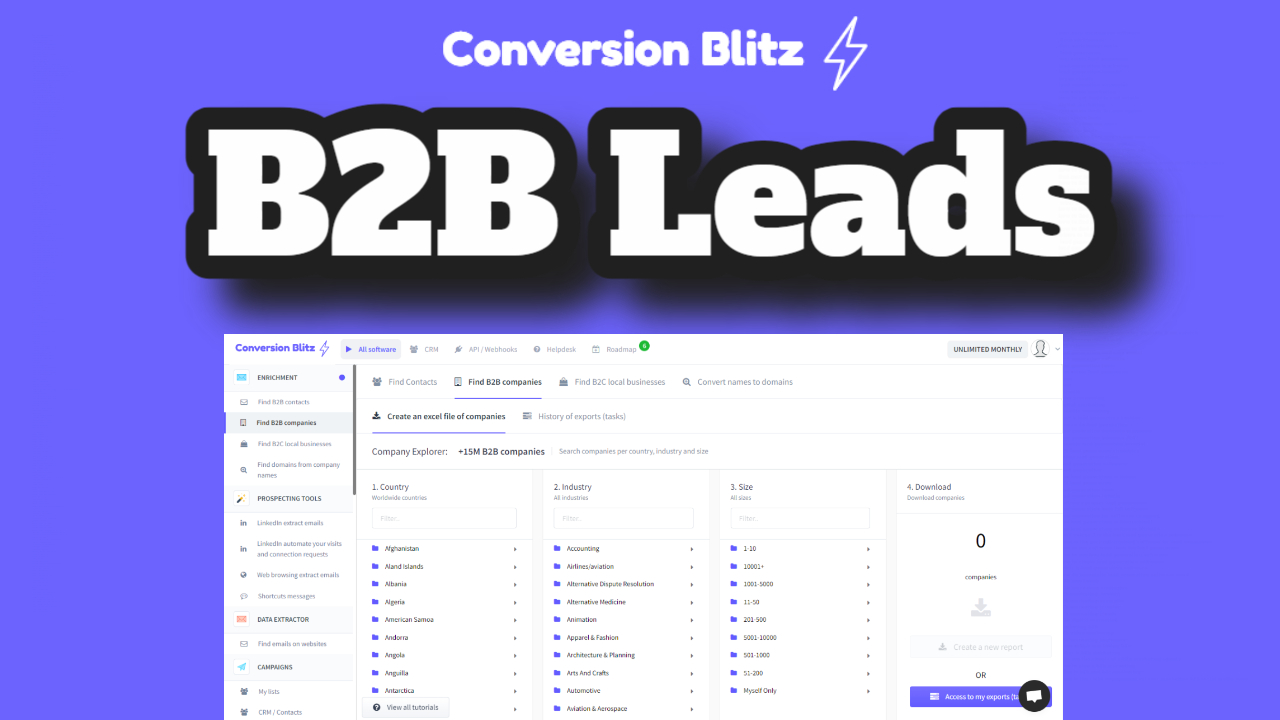
Our platform provides a suite of lead generation tools designed to help you grow your company. You can find leads, send targeted emails, create a chatbot, and more, all within our comprehensive suite of products. These tools are tailored to enhance your marketing strategies and support your lead generation efforts effectively.
- Get unlimited data upload
- Unlimited usage to all products
- Unlimited leads to find
3. Designing The Perfect B2B Email
When designing a B2B email, there are several considerations to keep in mind. The first step is to set the right tone for your message. Crafting an appropriate style of communication that reflects both the sender and recipient's values is essential for conveying the desired message effectively.
It is also important to ensure your email has a defined purpose, as well as clear objectives which are achievable within a reasonable timeframe. Providing specific instructions with measurable results can help motivate recipients to take action quickly and efficiently. Furthermore, it is beneficial to use visual elements such as images or videos when possible; this helps make emails more engaging and memorable, leading to better outcomes overall.
Finally, ensuring accessibility should be taken into consideration during the creation process. This involves thinking about how users may interact with your content on different devices, including mobile phones and tablets. By taking these factors into account when crafting an effective B2B e-mail, businesses will have greater success reaching their goals through communication online.
4. Choosing The Right Tone For B2B Emails
When it comes to crafting the perfect B2B email, choosing the right tone is essential. Tone can make or break a message and set the course of your business relationship with another company. For example, an overly casual email may be seen as disrespectful while too much formality could be viewed as unapproachable. There are several elements that should be considered when selecting the best tone for B2B emails:
- Respect – A respectful approach will demonstrate understanding of your recipient’s needs in order to build trust and establish credibility. • Professionalism – Your level of professionalism should reflect that of your recipient’s company standards. It's important to present a professional image from start to finish. • Appropriate Language - Use language that you would use face-to-face during a meeting or conversation. Avoid slang, jargon, and abbreviations unless they are well known within the industry.
It is also necessary to consider your audience when selecting appropriate tones for your emails. An effective way to do this is by researching their culture, values, and communication style before sending any messages out. This will allow you to tailor each email appropriately depending on who you are addressing without compromising authenticity or respectfulness. By considering these factors beforehand, marketers can ensure they have chosen the most fitting tone for their particular situation which can help create an inviting atmosphere between two businesses moving forward into future collaboration opportunities.
In addition to taking all these steps into consideration when picking an optimal tone for B2B emails, creating engaging and actionable subject lines will help draw potential customers in further and encourage them to open said messages; setting up both parties for success down the line.
5. Creating An Engaging And Actionable Subject Line
Crafting a captivating and actionable subject line is key for successful B2B emails in transportation logistics. Whether delivering notifications, updates or offers, the headline of your email must capture attention while reflecting the tone and content of the message accurately. Crucially, it should inspire recipients to open and engage with messages, so consider these five points when creating an effective subject line:
1) Catchy yet concise: An eye-catching title can draw readers into opening an email but keep sentences short and sweet for maximum impact. 2) Personalize whenever possible: Using recipient's name or other personal details increases clickthroughs as well as making customers feel valued. 3) Use keywords strategically: Highlight any important words related to the topic which will help identify your message quickly while boosting SEO ranking. 4) Be mindful of timing: If relevant, include phrases like 'limited time offer' to encourage prompt engagement.
These tips are essential elements that could make all the difference when crafting a powerful subject line for transportation logistics B2B emails. By focusing on concision, customization, keyword selection and timely phrasing, businesses have greater potential to boost customer interaction rates through their communications. Careful consideration of such considerations allows organizations to create memorable titles that motivate readership while powerfully representing brand identity effectively. Ultimately, this leads to more purposeful interactions between business owners and clients alike – ultimately leading to better outcomes for both parties.
Our platform provides a suite of lead generation tools designed to help you grow your company. You can find leads, send targeted emails, create a chatbot, and more, all within our comprehensive suite of products. These tools are tailored to enhance your marketing strategies and support your lead generation efforts effectively.
- Get unlimited data upload
- Unlimited usage to all products
- Unlimited leads to find
6. Optimizing Email Content For Mobile Viewers
Optimizing email content for mobile viewers is an essential part of creating successful B2B emails. In addition to the subject line, it's important to consider how your message translates across different devices. Mobile phones are becoming increasingly popular, and with their smaller screens, it can be difficult for customers to digest large chunks of text on a single page. To maximize engagement, break down long blocks of text into concise paragraphs or bulleted lists that draw readers in quickly. Additionally, adding visuals such as images or videos will help capture attention more effectively than plain text alone.
When formatting your email for mobile users, include clear call-to-action buttons at the top so they don't have to scroll too far down the page. Moreover, make sure links are easy to click by including plenty of white space around them; this allows people to accurately tap each link without accidentally clicking something else. Finally, check if all elements display correctly when viewed on a range of screen sizes before sending out your campaigns; having responsive design ensures that everyone receives a consistent experience regardless of which device they use.
By optimizing content for mobile audiences and ensuring all the necessary components are included in your messages, you can create effective B2B emails and increase customer engagement rates significantly. With this foundation in place, measuring the success of these communications becomes much simpler and more reliable.
7. Measuring The Success Of Your B2B Email
In order to achieve success in B2B emails, tracking the performance of your email campaigns is essential. The ability to measure how effective an email campaign has been can be compared to a race car driver measuring their lap times and making adjustments accordingly. Just as a racecar driver needs accurate data from each lap in order to make changes that will improve their final time, businesses need detailed analysis of their email campaigns for continued improvement.
Analyzing metrics such as open rate, click-through rate (CTR), unsubscribe rate, bounce rate, and spam report rate are all valuable pieces of information that should inform future decisions when constructing a successful B2B email. Once these values have been collected, it's possible to identify where improvements may be made; whether it’s refining target audiences or changing the content within the body of the message itself.
To further optimize performance, A/B testing can also be used on multiple versions of emails before they are sent out into the world. This type of testing allows marketers to see which version performs better with different groups and provides them with tangible data to back up any decisions going forward. By using this approach instead of relying solely on intuition and guesswork, companies can gain more insight into what works best when sending out B2B emails. With this knowledge at hand, businesses can then use automated processes to ensure maximum efficiency moving forward in terms of both cost savings and improved results.
8. Automating Your B2B Email Process
Automating the B2B email process can be likened to a bird taking flight. It is set free from the bonds of manual labor, and its wings are powered by robotic efficiency that streamlines communication with customers. Similarly, businesses can leverage automation tools to take their B2B emails to new heights: * Automation makes it easy to personalize mass emails; * Automation eliminates tedious tasks like double checking data accuracy or manually inputting customer information; * Automation helps ensure timely responses and increases overall productivity; * Automation provides key metrics for tracking campaign performance.
The power of an automated B2B email tool goes further than just personalization and time management—it also allows you to scale your campaigns as needed in order to meet customer demand. By setting up triggers, businesses can respond quickly when there’s a surge in sales or inquiries. Furthermore, automation enables companies to build relationships with customers through targeted content based on their interests and preferences. This helps make sure every message resonates with recipients while driving higher engagement rates over time.
Building upon this foundation of successful B2B email automation brings us into the realm of integrating these processes with other digital platforms such as social media channels or web analytics software for even greater insights into customer behavior.
Our platform provides a suite of lead generation tools designed to help you grow your company. You can find leads, send targeted emails, create a chatbot, and more, all within our comprehensive suite of products. These tools are tailored to enhance your marketing strategies and support your lead generation efforts effectively.
- Get unlimited data upload
- Unlimited usage to all products
- Unlimited leads to find
9. Integrating B2B Email With Other Digital Platforms
Integrating B2B email with other digital platforms is like interlacing a complex web of connections, allowing for an interconnected relationship between multiple channels and systems. This opens up the potential to reach more customers in less time, while also providing a seamless customer experience that can be tailored specifically to their needs. In order to maximize this connection, it’s important to understand how various digital communication strategies interact with each other and what methods should be used when reaching out.
For example, integrating automated emails into your existing CRM system allows you to easily keep track of customer interactions and follow-up communications after an initial contact has been made. Additionally, by tying together different marketing tactics such as social media campaigns or targeted ads on search engines, companies are able to create cohesive messaging across multiple platforms which leads to better engagement rates overall. Lastly, using analytics tools helps businesses identify key points where they can make improvements and optimize their outreach efforts for greater success going forward.
By considering all these elements when constructing a strategy for reaching out via B2B emails, businesses are able to get the most from their resources and effectively reach their desired goals faster than ever before. It's crucial then to take the necessary steps towards understanding both the advantages and any potential risks involved in utilizing integrated digital solutions so that decision makers can feel confident in taking advantage of them.
10. Understanding B2B Email Regulations And Laws
Safeguarding stakeholder satisfaction through strategic structuring – this is the critical cornerstone of understanding B2B email regulations and laws. With ever-evolving industry expectations, it can be a daunting task to ensure that all communication activities adhere to these strict standards. By taking an in-depth approach to comprehending the complexities of such legalities, businesses can confidently craft compliant content for their consumers.
To begin with, researching relevant regulations is essential for any business operating within the digital landscape. This should include familiarizing themselves with both international and local rules when it comes to sending out emails. Such knowledge will allow companies to structure communications around existing compliance guidelines while also staying up-to-date on emerging developments in the field. Moreover, they should take steps to regularly review safety protocols in order to prevent data breaches or other malicious attacks from occurring.
At the same time, ensuring customer experience remains at its peak level is vital regardless of how stringent industry laws may be. Crafting compelling copy that resonates with stakeholders keeps them engaged while allowing companies to maintain their professionalism without risking noncompliance penalties. It could involve leveraging storytelling techniques or using innovative visuals as part of their outreach strategies–allowing brands to build stronger connections with their target market while staying cognizant of established legislation.. As long as organizations remain mindful of regulatory requirements, there are endless possibilities available for creating impactful B2B email campaigns that captivate audiences across various platforms.
Frequently Asked Questions
How Can I Ensure My B2B Emails Are Compliant With Laws And Regulations?
When sending business-to-business (B2B) emails related to transportation logistics, it is essential for companies to ensure their communications are compliant with all applicable laws and regulations. This can be a complex task given the varying jurisdictional requirements from country to country, as well as the ever-evolving body of international law that affects transportation and logistics operations. To accomplish this goal, companies should take advantage of the following strategies:
First, they must understand relevant local and international legal frameworks so they can accurately assess potential risks before engaging in any activity. Companies should also remain abreast of changes in legislation affecting their industry by regularly consulting government websites or subscribing to newsletters and bulletins published by regulatory authorities. Additionally, organizations need to establish internal protocols and procedures which will help them comply with these legal obligations while simultaneously avoiding costly fines or other sanctions. In order to do this effectively, companies should engage experienced attorneys who specialize in transportation law.
In addition to understanding relevant laws and regulations, companies need to invest time into developing effective policies regarding email use. These measures could include drafting clear guidelines on appropriate content for B2B emails; implementing systems for tracking messages sent between employees; providing training on proper communication techniques; establishing disciplinary processes for violations; and more. By taking proactive steps such as these, businesses can reduce their risk of encountering compliance issues when sending out emails related to transportation logistics.
Ultimately, adherence to applicable laws is paramount for businesses operating within the transport sector. Companies must take the necessary steps towards ensuring their emails are compliant with both local and international regulations if they wish to avoid significant liabilities down the road. Doing so requires a comprehensive approach including an understanding of existing legislation as well as robust internal protocols governing employee emails usage.
What Is The Best Way To Track The Success Of My B2B Emails?
Tracking the success of B2B emails is a vital step in understanding customer engagement and refining marketing strategies. In order to ensure maximum efficacy, it is important that businesses identify which methods are most successful at capturing their target audience’s attention. There are several techniques available for tracking email performance, ranging from basic metrics such as open rate to more sophisticated tactics like A/B testing or leveraging AI-based analytics tools.
A good starting point for monitoring the effectiveness of email campaigns is analyzing fundamental data points such as open rate, click-through rate (CTR), delivery rate, bounce rate and unsubscribe count. Open rates measure how many recipients opened an email while CTR gauges how many clicked on links within the message body; both provide valuable insights into campaign engagement. Delivery rate indicates what percentage of messages made it through to inboxes whereas bounce rates gauge deliveries that failed due to invalid addresses; these help inform marketers if there are any issues with list management or technical problems. Lastly, unsubscribe counts reveal whether people have lost interest in content being sent out by a business, thereby providing insight into future messaging opportunities.
In addition to measuring core performance indicators, companies may also benefit from taking advantage of advanced technologies like artificial intelligence (AI). AI-powered analytics solutions can track key user behaviours across multiple channels – including email – enabling businesses to gain further insight into customers’ preferences and interests. This can be highly beneficial when it comes to personalizing outreach efforts and improving overall ROI from campaigns over time. All in all, using a combination of traditional reporting and modern technology will enable marketers to accurately assess the success of their B2B emails and adjust accordingly.
How Can I Integrate B2B Emails With Other Digital Marketing Platforms?
Integrating B2B emails with other digital marketing platforms is a strategic move for transportation logistics companies looking to maximize their reach and improve customer engagement. By using email campaigns in tandem with social media, search engine optimization, content creation, website design, and more, businesses can create an interconnected web of communication that reaches more people than ever before.
To do this effectively, it’s important to understand the various tools available. Email automation software like MailChimp or Constant Contact allows organizations to manage high volumes of emails quickly and efficiently; by tracking open rates, click-throughs and bounces they can also measure the success of their campaigns. Social media sites such as Twitter, LinkedIn and Facebook provide additional opportunities to engage potential customers through targeted ads and organic posts. Finally, search engine optimization (SEO) ensures that your website appears at the top of Google rankings – driving traffic towards your site and ultimately improving sales.
By utilizing these different channels together in a cohesive strategy – rather than one or two alone – organizations have greater control over how they communicate with their target audience. Additionally, combining multiple mediums provides a holistic view of customer engagement across all platforms which makes it easier to identify areas where further strategies are needed. Plus, integrating disparate technologies into one unified system simplifies operations from both a technical standpoint and from the perspective of managing customer relationships.
TIP: As you consider ways to integrate B2B emails with other digital marketing platforms for your business' transportation logistics needs, don't forget about personalizing every message! A personalized approach helps build trust between brands and customers - something especially important when targeting corporate clients who need reliable service providers for ongoing projects.
What Are The Most Effective Strategies For Creating An Engaging B2B Email?
Creating an engaging B2B email is a great way to reach out to potential customers, but it requires careful consideration of the strategies involved. When crafting emails in this area, there are several key elements that must be taken into account if they are going to be successful. Suspenseful storytelling and understanding the customer’s needs can help create effective B2B emails that will stand out from others in the space.
One important factor when creating B2B emails is knowing the target audience and their preferences. Understanding who you are trying to engage with and what type of message resonates best with them is essential for creating impactful content. Crafting personalized narratives tailored towards each recipient can make messages more compelling, as well as adding relevant images or videos which draw readers' attention. Additionally, using language which speaks directly to the customer's interests while avoiding jargon can make the content easier to digest.
Using suspenseful stories within your emails helps capture reader interest right away before providing crucial information about how your services could benefit them. Creating an emotional connection through involving situations where customers may find themselves familiar creates empathy and encourages engagement with your product offerings. This kind of story-telling technique also allows for greater customization according to individual needs, making sure each customer feels like their situation has been addressed specifically rather than just being part of a generic email campaign.
The most effective B2B emails come from utilizing creative tactics such as these combined with knowledge of customer behavior and data analysis algorithms used to track online interactions. By combining all three components together, businesses have a powerful tool at their disposal for reaching out to potential customers and increasing conversions rates by delivering meaningful communications tailored precisely for them.
How Can I Ensure My B2B Emails Are Optimized For Mobile Viewing?
In today's digital age, optimizing emails for mobile viewing has become an important consideration when crafting a B2B email. With the prevalence of smartphones and tablets, it is essential to ensure that any business-to-business (B2B) emails are optimized for these devices in order to maximize engagement with potential customers. This article will discuss how we can guarantee that our B2B emails meet this requirement.
One way of doing this is by using responsive design templates. Responsive design adjusts the layout of the content depending on which device it is viewed on – typically desktop or mobile – so that the reader’s experience remains consistent regardless of what platform they use to access your message. Furthermore, many email marketing platforms such as MailChimp offer their own selection of pre-made responsive designs, meaning you don't have to spend time designing one from scratch. Additionally, if you are familiar with HTML and CSS then you can create custom designed email templates yourself; however, having some coding knowledge may be necessary for more complex layouts.
It is also possible to optimize your existing template for different devices by testing them thoroughly on multiple platforms before sending out the final version. There are several online tools available specifically created for this purpose such as Litmus Email Previews or Inbox Inspector from Campaign Monitor which allow users to check how their email looks across various browsers and operating systems alongside providing feedback about any issues related to compatibility. By taking advantage of these resources we can make sure our carefully crafted messages appear correctly no matter what type of device they are being read from.
Having gone through all these steps and ensuring that our emails look great on both desktops and mobiles, businesses can rest assured knowing nothing stands between them and capturing the attention of their target audience.
Our platform provides a suite of lead generation tools designed to help you grow your company. You can find leads, send targeted emails, create a chatbot, and more, all within our comprehensive suite of products. These tools are tailored to enhance your marketing strategies and support your lead generation efforts effectively.
- Get unlimited data upload
- Unlimited usage to all products
- Unlimited leads to find
Conclusion
The transportation logistics industry requires specialized knowledge and expertise to ensure compliance with laws, regulations, and tracking the success of emails. As such, it is essential for companies in this space to recognize that their B2B emails must be optimized for mobile viewing, engaging content creation strategies employed, and integrated into other digital marketing platforms for maximum effectiveness.
In order to maximize the efficiency of B2B emails within the transportation logistics industry, businesses should consider taking a holistic approach that includes careful consideration of all aspects discussed above. This can help boost engagement rates as well as increase customer satisfaction levels by ensuring an optimal user experience across all devices. Furthermore, accurate tracking methods are necessary to measure ROI and gain insights into how customers interact with your email campaigns.
Ultimately, devising effective B2B email campaigns in the transportation logistics sector involves an intricate combination of elements – from crafting compelling content to leveraging analytics data – in order to achieve desired results. With careful planning and implementation of these tactics, businesses will be able to utilize emails as a powerful tool for driving growth within their organization.
Conversion Blitz
Our platform provides a suite of lead generation tools designed to help you grow your company. You can find leads, send targeted emails, create a chatbot, and more, all within our comprehensive suite of products. These tools are tailored to enhance your marketing strategies and support your lead generation efforts effectively.
- Get unlimited data upload
- Unlimited usage to all products
- Unlimited leads to find

 Tools to grow your business